
The Shipwrecks on the Costa da Morte: Spain’s Submerged Memory
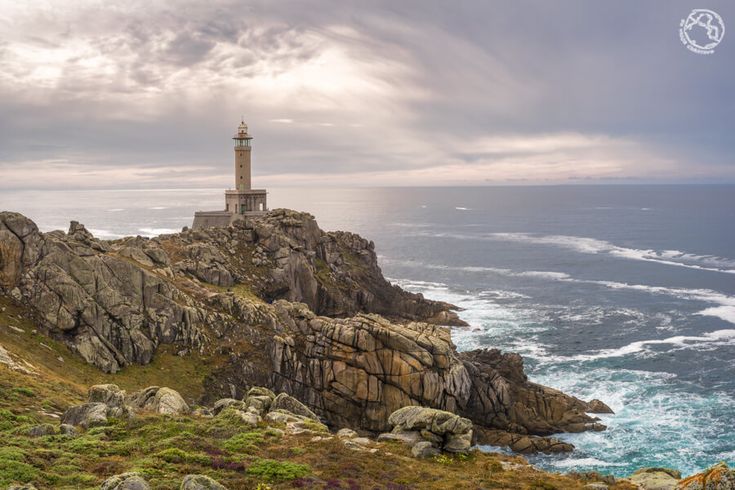
Table of Contents
The Shipwrecks on the Costa da Morte
The Costa da Morte, located in the northwest of Galicia, in northern Spain, is a coastal strip that stretches from Malpica to Finisterre. Its name, which in Galician means “Death Coast” is not a poetic exaggeration but a reflection of centuries of maritime tragedies. This stretch of the Atlantic is known for its rough waters, strong storms, the constant presence of fog in winter, and a rocky coastline that has caused the shipwreck of hundreds of vessels throughout history. As a result, the shipwrecks on the Costa da Morte lying on its seabed have become an inseparable part of its identity.
Place of maritime accidents
Many maritime accidents have occurred over time along this part of the coast, filling it with shipwrecks.
A shipwreck is, in fact, the remains of a sunken ship, and on the Costa da Morte these remains are not only silent witnesses of past tragedies but especially valuable historical relics. The shipwrecks in this region belong to vessels from various eras, nationalities, and types: from warships to fishing boats, cargo ships, and merchant vessels. Some shipwrecks were caused by human error, others by sudden storms, or by the complexity of the coastline, full of obstacles and dangerous currents.
Also read: FINISTERRE: WHERE THE WORLD ENDS
Galicia Travel Products
Famous Shipwrecks
Among the perhaps most serious shipwrecks that occurred on the Costa da Morte in recent times, two stand out from the 19th century. The most severe was that of the HMS Captain.
It was a true naval tragedy that took place on September 7, 1870, off the coast of Cape Finisterre. The HMS Captain was an innovative British warship, designed by Admiral Sir Cowper Coles, who bet on a cutting-edge design with rotating turrets and a low profile to reduce vulnerability in combat. However, this innovation had a serious flaw: the ship’s stability.
The HMS Captain had a very high center of gravity due to its structure and the weight of the turrets, which compromised its balance at sea. During a storm, with strong winds and waves, the ship began to tilt dangerously. Despite the crew’s efforts to correct its course, the HMS Captain capsized and sank rapidly.
Of the 353 people on board, only 18 survived. This catastrophe was a severe blow to the British Royal Navy and led to a thorough analysis of the importance of naval design and stability in warships.
The other well-known shipwreck from that century was the HMS Serpent, a British warship that ran aground in 1890 near Punta do Boi. Of its 175 crew members, only three survived. The impact of this tragedy was such that a cemetery was built on the nearby beach of Camariñas, now known as the English Cemetery, which has become a place of pilgrimage and permanent remembrance.
Underwater Archaeology
The concentration of the shipwrecks on the Costa da Morte has sparked significant interest among underwater archaeologists and divers.
The cold, low-salinity waters ofGalicia allow for good preservation of materials, making these remains valuable sources for historical and technical research. Many times, items such as anchors, rudders, coins, tableware, or parts of hulls have been recovered, helping to reconstruct the maritime history and culture of each era.
In recent decades, various institutions have worked to catalog and protect these shipwrecks on the Costa da Morte. The Xunta de Galicia, together with universities and research centers, has carried out underwater mapping campaigns using side-scan sonar, aquatic drones, and remotely operated vehicles. These initiatives aim not only to determine the actual number of sunken vessels but also to protect them from looting or natural deterioration. Some studies estimate there could be more than 200 shipwrecks scattered across the seabed of this coast.
Beyond scientific interest, the shipwrecks on the Costa da Morte have promoted the development of recreational diving in the area. However, this activity must be carefully regulated. Irresponsible tourism or illegal extraction of objects from shipwrecks can damage a heritage that is fragile and non-renewable. For this reason, many call for the creation of protected underwater archaeological parks that combine educational outreach with conservation.
In summary, the shipwrecks on the Costa da Morte are not just remains of past tragedies but fundamental pieces of Galician and European cultural heritage. Each one tells a story: of navigation, struggle against nature, human error, or bravery. They are, ultimately, submerged fragments of history that must be protected, studied, and valued by present and future generations.
How to Visit This Part of the Coast and Its Attractions
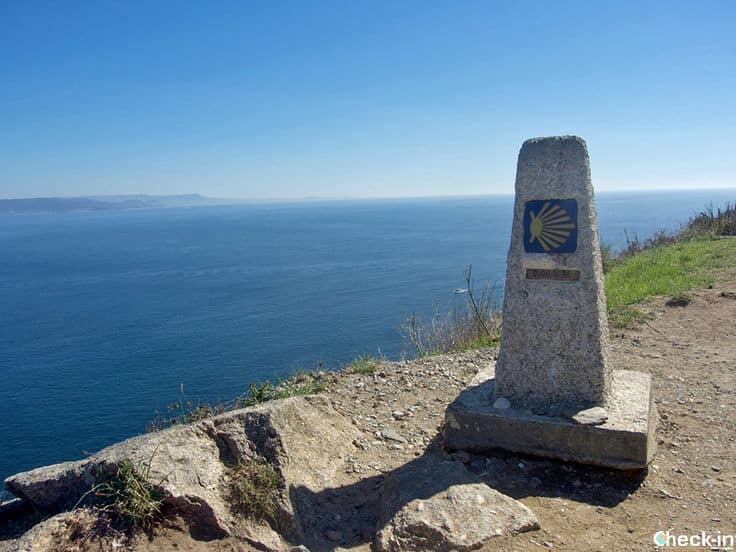
Today, it is very easy to visit the Costa da Morte, for example, from the city of Santiago. This area of Spain is home to many places of special significance. Among other sites are Finisterre and Muxía, which are among the most important pilgrimage destinations on the Camino de Santiago. Both mark the final points of the two natural extensions of the Camino.
For years, agencies like Galicia Travels have been organizing guided tours to explore this fascinating part of the Galician coast. With extensive experience in the sector and recognition from clients worldwide, joining one of these trips is very easy—just a click away.